


A 200 W panel lying flat on a motorhome roof weighs almost nothing while the vehicle is parked. At ...
Acasă / Ştiri / Știri din industrie / Camper Cupboard Door Latch Guide: Types, Materials, and Sourcing Advice for RV Builders
A cupboard door that swings open every time the trailer hits a washboard section is more than a small annoyance. In most cases the door and the hinge are fine, and the part that failed is the camper cupboard door latch, a component worth a few dollars that decides whether your storage stays shut. The short conclusion of this guide: match the latch to the weight of the door and the roughness of the roads you drive, favor formed metal bodies with stainless or zinc coated springs over thin plastic parts, and treat correct installation as part of the product. Get those three things right and the problem disappears for the life of the vehicle.
A kitchen cabinet opens a dozen times a day inside a building that never moves. A camper cabinet faces constant engine and road vibration, shock from potholes, temperature swings from freezing nights to hot sun, and humidity that condenses on interior surfaces. Under those conditions screws back out, plastic housings creep, and spring tension fades. A latch that would last twenty years in a house can become unreliable within one season of full time travel. That is why RV and caravan builders treat latches as motion proof hardware, not simple furniture fittings.
The chart above shows the failure patterns that appear most often when camper cabinets come in for repair, based on illustrative field data. Worn spring or roller tension leads the list because it develops slowly, and owners usually blame the door rather than the latch. Screws loosened by vibration rank second, and the fix is often as simple as thread adhesive and a proper torque pass at installation. Corrosion shows up more in coastal and winter use, where salt reaches the mechanism through the door gap. Warped doors and misplaced strikes are cabinet building issues, while wrong installation, especially an oversized hole, accounts for most early failures.
A magnetic catch pulls a small steel plate on the door into a housing set inside the cabinet. It is silent, invisible when closed, and cheap to replace, which makes it a favorite for drawers and light overhead doors. Its weakness is holding force, because a typical unit resists only a kilogram or two of pull, so a heavy door will creep open on an inclined site.
A double roller catch uses two spring loaded rollers that pinch a metal strike plate as the door closes. It gives a quiet click, tolerates slight misalignment, and suits wardrobe doors that open every day. The small springs lose tension after repeated hard closures, and on rough roads the door can eventually chatter loose, so it is best for vehicles that mostly see pavement.
A butterfly latch, sometimes called a turn button, is a flat metal lever that rotates over a keeper to hold the door shut. There is almost nothing to wear out, the clamping force is strong, and the part costs very little. The trade off is convenience, since you need two deliberate movements to open the door, and the hardware sits visibly on the surface. It remains one of the most dependable choices for exterior storage and battery boxes.
A push button latch sits recessed inside the door, and pressing the door springs it open, leaving a flush interior with nothing to snag on. Holding force is good, and the clean look suits modern conversions. Installation demands a precise hole, dust can clog the mechanism, and a tired spring makes the door hard to open, so choose a version with a replaceable cartridge where possible.
A marine slam latch, also called a push to close latch, uses a spring loaded claw that snaps over a strike when you push the door shut. It offers the highest holding force of the common options, usually eight to twelve kilograms of pull resistance, and it closes with one hand even when that hand is full. That is why boats and overland rigs rely on it. The hole it needs is larger, but on vehicles that see corrugations or salt air it is the option to consider first.
The column chart above compares typical holding force by latch type, using representative mid range values in kilograms of pull resistance. The gap between a basic magnetic catch and a marine slam latch is roughly six to eight times, which explains why the two serve completely different doors. Magnetic and roller catches are comfort hardware, meant for doors that mostly need to stay aligned. Butterfly, push button, and slam latches are restraint hardware, built to fight road shock directly. When you choose, estimate the weight of the door plus everything inside it, because a loaded cabinet multiplies the force the latch must resist on a bumpy descent.
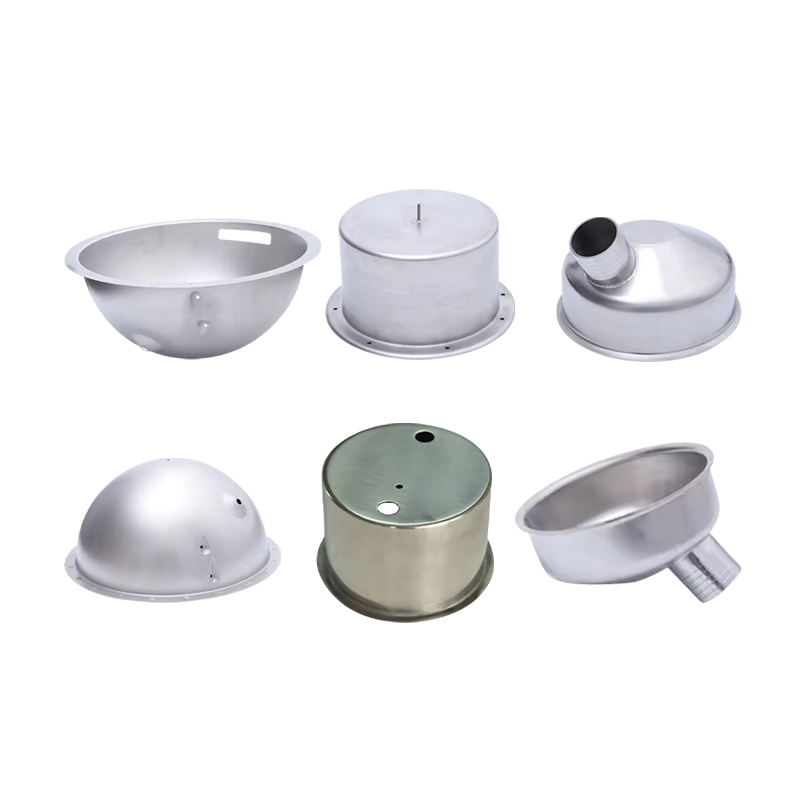
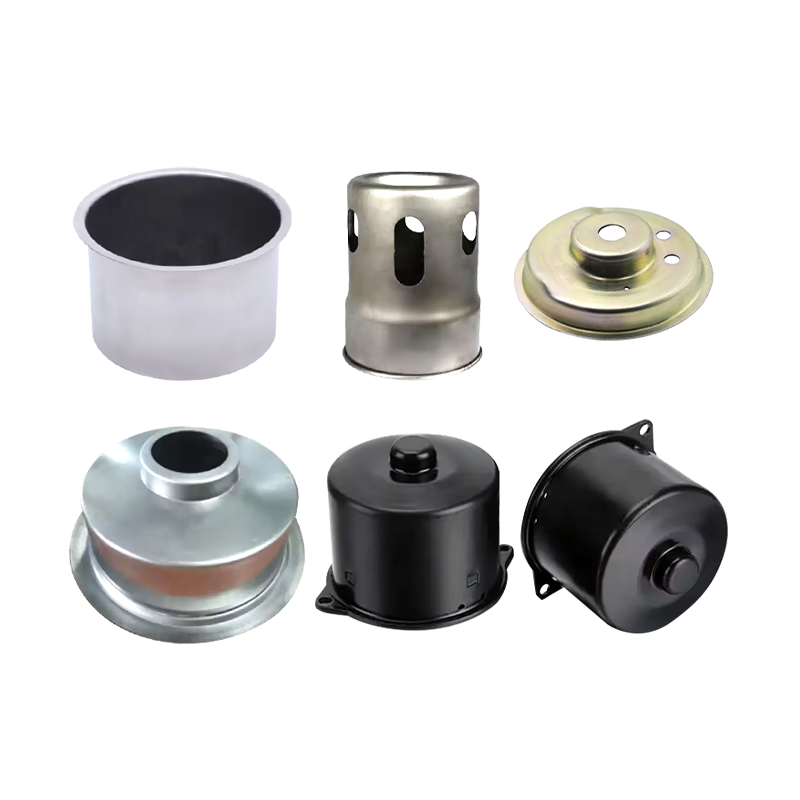
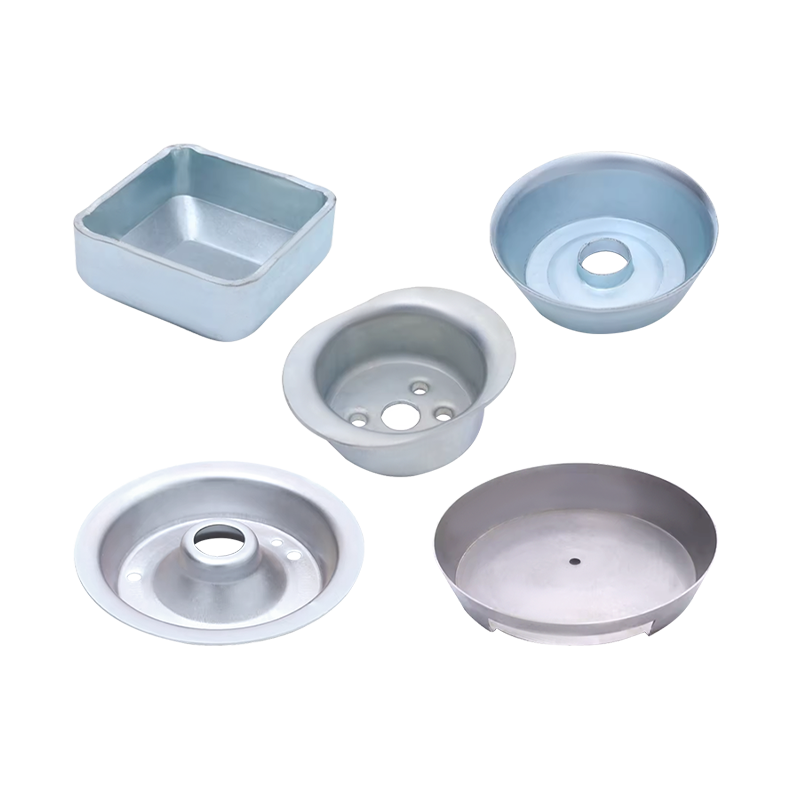
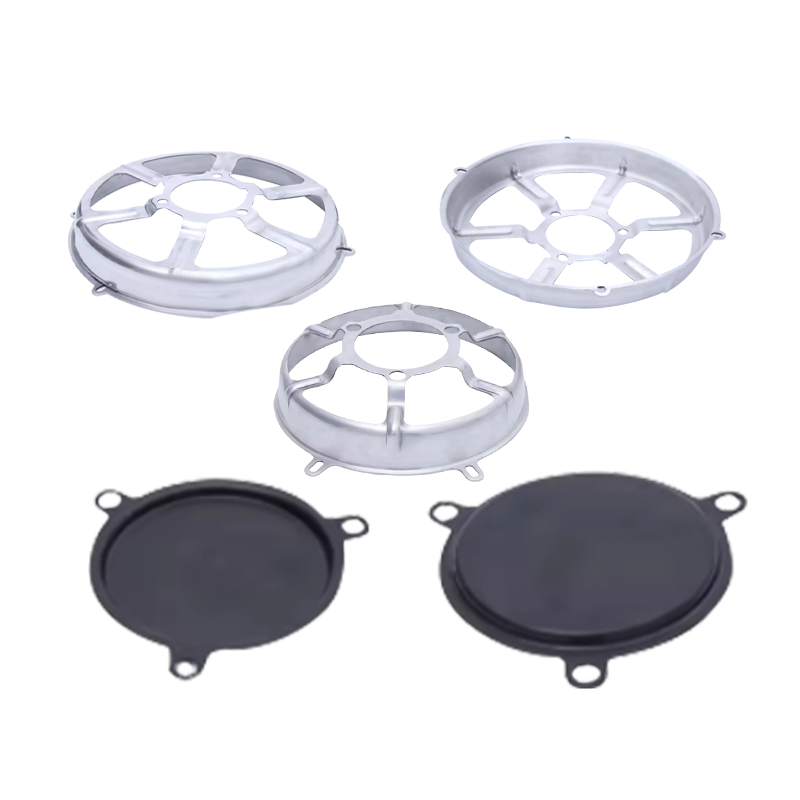
A latch is a stamping problem before it is a hardware problem. Keeper plates, the claw of a slam latch, and roller housings are all formed from thin sheet, most often 304 stainless steel near the galley, zinc coated steel in dry interiors, and powder coated steel where appearance matters. Spring quality decides service life even more than the body, because the spring is the part that cycles tens of thousands of times. Plastic bodies keep cost down and resist corrosion, but they creep under constant load and turn brittle in cold weather.
Corrosion and friction work together to kill a latch. Once rust forms inside the claw or roller, the moving parts drag, closing force drops, and the latch starts to release on bumps. Surface treatment such as zinc plating and powder coating slows this process considerably, as we explain in our article on whether surface treatment can reduce friction and wear on formed parts.
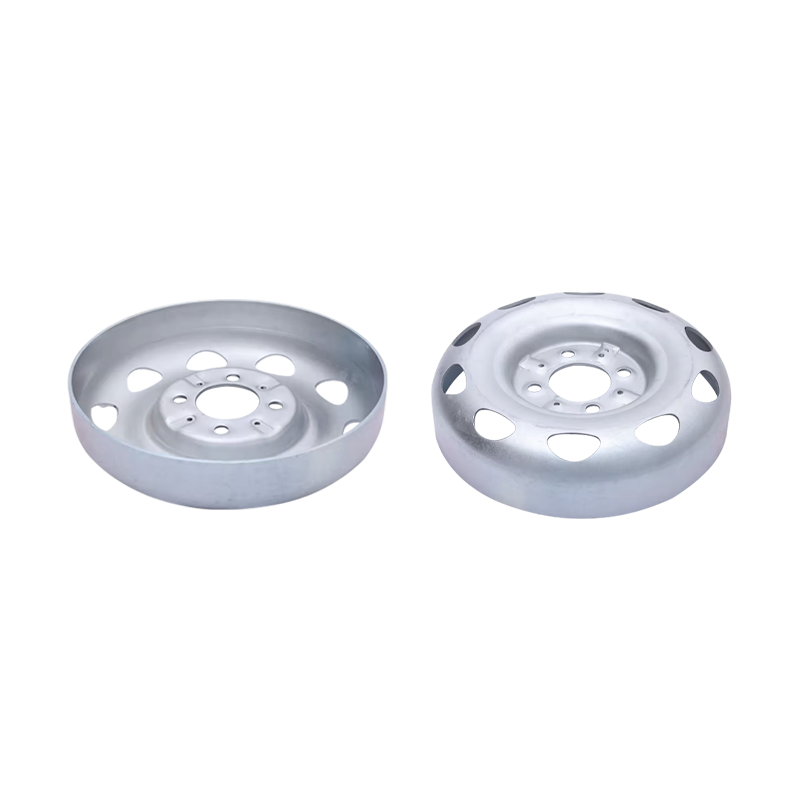
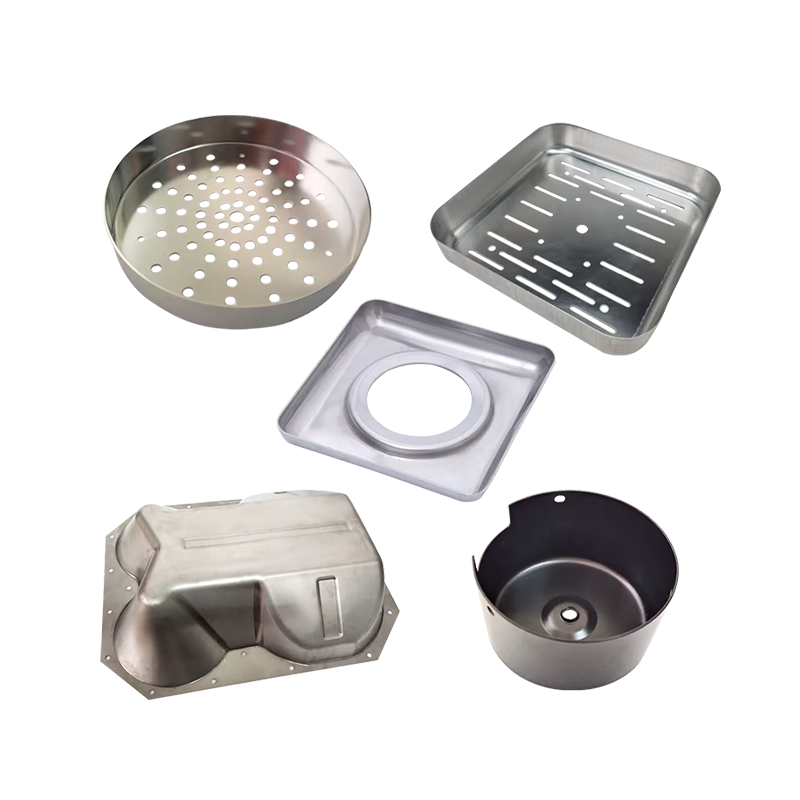
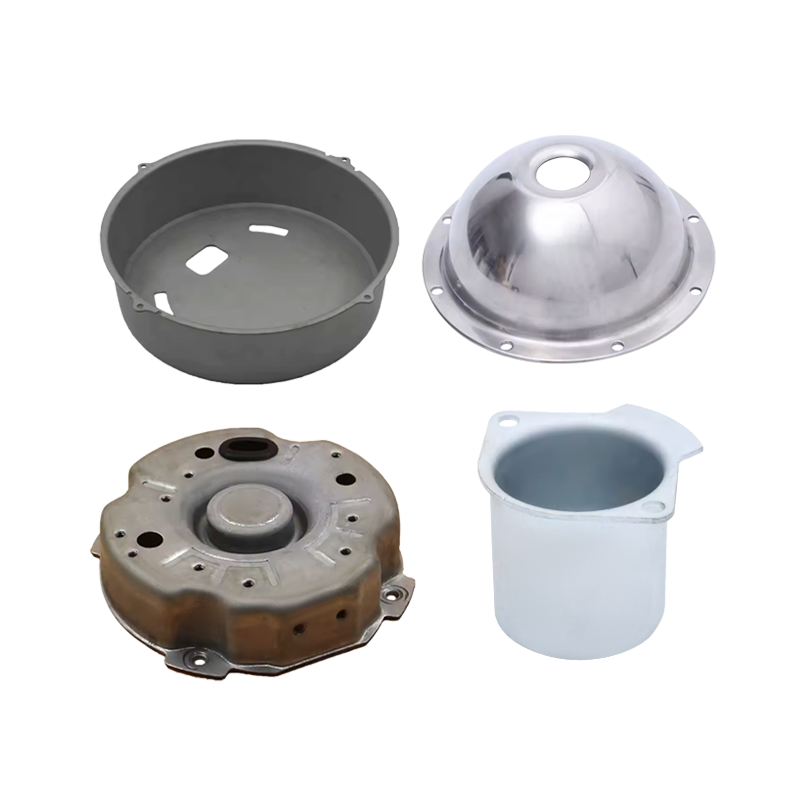
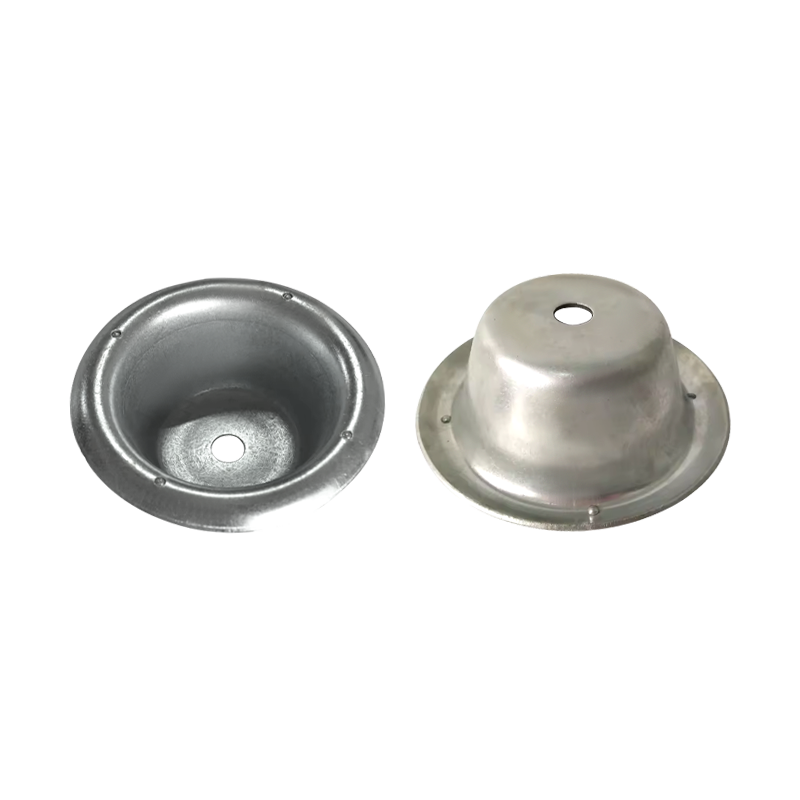
This is also where the supplier matters. A factory that stamps and deep draws its own components controls the spring pocket dimensions, the burr direction, and the plating mask, and those details separate a latch that lasts from one that does not. The same discipline applies to every high precision stamped component produced for RV and industrial customers. For a wider view of how material choice interacts with process, the guide on how to choose suitable materials to manufacture metal stamping parts breaks down the trade offs between cost, formability, and corrosion resistance.
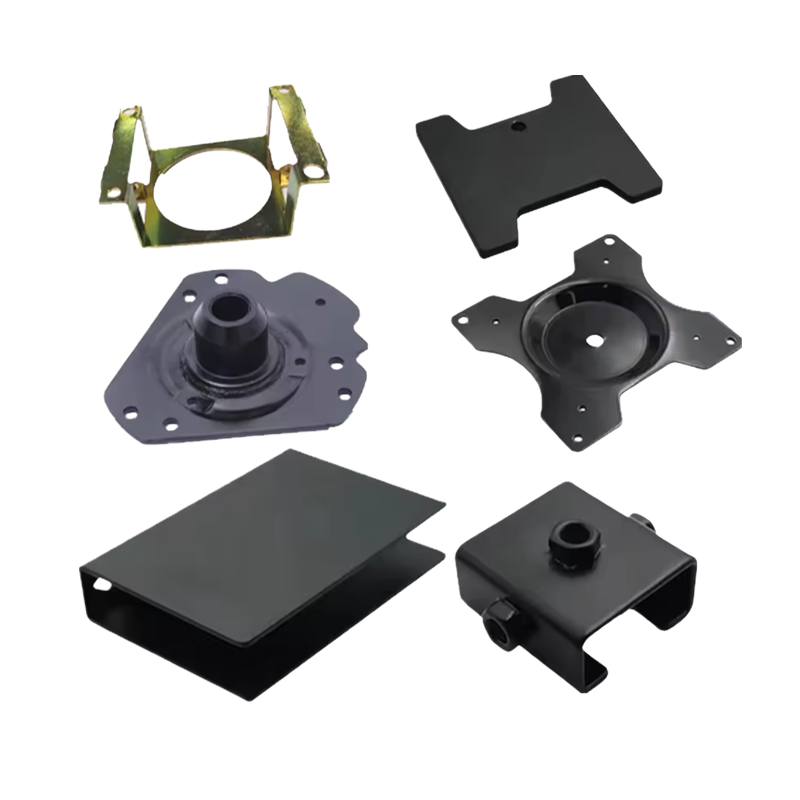 High Precision Metal Stamping Components for RV and Industrial UseMade from carbon steel, stainless steel, aluminum, brass and more, with plating or coating options. Relevant here because in-house stamping controls spring pocket and plating details that determine latch durability.View Product →
The line chart above shows an illustrative comparison of closing force retention across fifty thousand open and close cycles for three common constructions. The stainless spring design still holds about eighty percent of its original force at the end of the test, which is why it is the default for marine and four season use. Plain spring steel starts identically but fades faster as wear and micro corrosion attack the coil. The plastic catch loses usable tension early, and the decline accelerates once the material creeps under constant door pressure. In daily use these curves appear as a door that opens by itself after one season, a failure owners usually solve by replacing the whole latch. From a purchasing view, the small extra cost of a metal spring mechanism is spread across years of quiet service.
Before you buy, work through this checklist with the actual door in front of you.
The radar chart above scores three popular latch types on five purchasing criteria, using values that reflect typical catalog specifications rather than any single product. The marine slam latch leads on holding force and vibration resistance, which is exactly what its higher price buys. The push button latch wins on one hand operation and holds a strong middle position everywhere else, making it the best all round choice for paved touring. The magnetic catch scores highest on cost efficiency and stays sensible for light doors, but its holding force score shows why it should not be the only restraint on a heavy cabinet. No latch wins every axis, which is why many professional builders mix types, for example slam latches in the galley and magnetic catches on wardrobes.
| Latch type | Typical holding force | Vibration resistance | Best suited for |
|---|---|---|---|
| Magnetic catch | Low | Moderate | Light doors, drawers, mild use |
| Double roller catch | Low to moderate | Moderate | Wardrobe and cupboard doors opened daily |
| Butterfly latch | Moderate to high | Good | Exterior storage and heavy panels |
| Push button latch | High | Good | Modern interiors where a flush look matters |
| Marine slam latch | Very high | Excellent | Offroad rigs, marine use, rough roads |
Camper manufacturers and serious DIY builders usually buy latches complete, but the hardware around them is a different story. Striker plates, keeper cups, hinge reinforcements, and door frame brackets are all sheet metal parts that a stamping shop can produce to drawing, in prototype or volume quantities. When a design needs a non standard strike or a deeper keeper pocket, a deep drawn stainless component made to your drawing is often more reliable than adapting a catalog part.
 Custom Deep Drawn Stainless Steel Parts Made to DrawingDeep drawn stainless striker plates, keeper cups and brackets produced in prototype or volume quantities, ideal when camper door hardware needs a non-standard strike or deeper keeper pocket to your drawing.View Product →
The same logic extends across the whole galley. A metal supplier that already produces 304 stainless RV sinks and cooker sink combinations understands the environment a camper kitchen lives in, from steam and boiling water to road salt tracked in on shoes. Buying stamped hardware and sink components from one factory also shortens the quality conversation, because a single plant answers for the material and the finish.
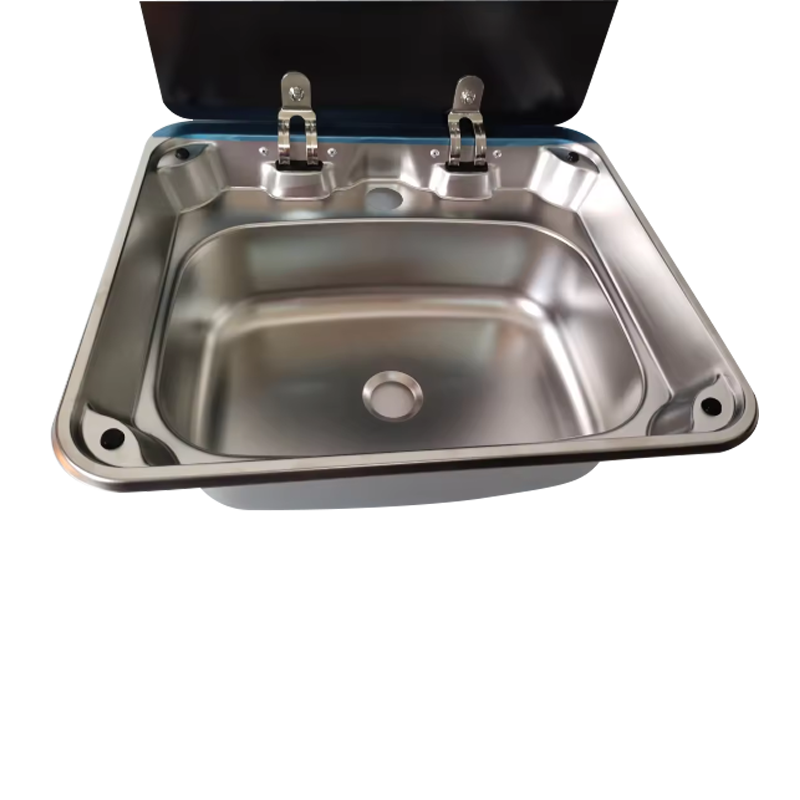 304 Stainless Steel Single Bowl RV Sink with Glass PanelA 470mm rectangular stainless sink with tempered glass panel for RVs, campers and boats. Fits the galley discussion since the same factory supplies stamped hardware and corrosion-resistant sink components.View Product →
Whatever route you take, ask suppliers three questions before committing. What is the holding force in kilograms at the strike rather than at the handle? Which spring material is used, and can it be replaced? How is the body protected against corrosion after the holes are punched? A supplier who answers with numbers is worth a sample order.
The practical summary is short. Fit marine slam latches on heavy, frequently opened doors, use push button latches where a flush interior matters, and keep magnetic catches for light duty positions. Check the body material, insist on a metal spring, and torque every screw with thread adhesive during installation. A few dollars spent on the right camper cupboard door latch protects far more expensive gear behind every door.
Solar Panel Brackets for Motorhome: Types, Materials, and Buying Tips for Owners
Replacement Kitchen Sink for RV: How to Measure, Choose and Install the Right One
Indiferent dacă doriți să deveniți partenerul nostru sau aveți nevoie de îndrumarea noastră profesională sau de asistență în alegerea produselor și soluționarea problemelor, experții noștri sunt întotdeauna gata să vă ajute în termen de 12 ore la nivel global.
contactaţi-ne
Phone:+86 139-5824-9488
FAX :+86 574-86150176
E-mail: [email protected] [email protected]
Address: Unitatea 2, Clădirea 19, Parcul Zhichuangzhizao, Zona Industrială Chengdong, Xiangshan, Ningbo, 315705, Zhejiang, China
A 200 W panel lying flat on a motorhome roof weighs almost nothing while the vehicle is parked. At ...
A cupboard door that swings open every time the trailer hits a washboard section is more than a sma...
Water stains around the faucet, a hairline crack along the rim, or a worn out cooktop cutout eventu...
